Early Signs of Concrete Cancer Every Builder Should Know
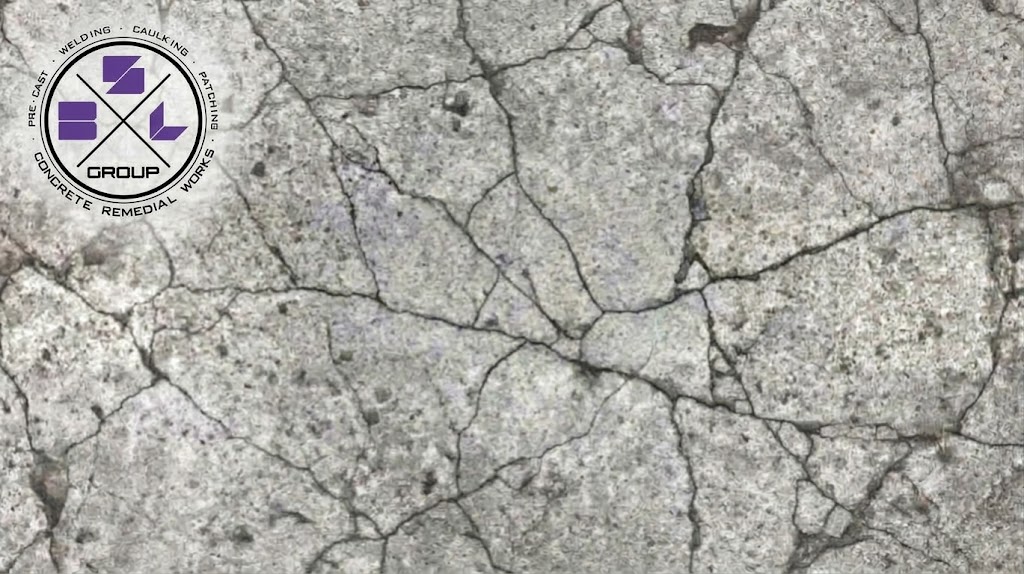
Concrete cancer is one of the major problems Aussie builders face. Check for visual indicators such as rust, stains, cracks, and flaking concrete, which are caused by internal steel corrosion. Spotting these early signs will make it much easier to stop the cancer and save the build. BSL Group provides expert concrete remediation and concrete repairs Melbourne-wide.
In Melbourne, we’re used to dealing with a bit of everything – four seasons in one day, tight site access, and the constant pressure of the handover date. But there’s one silent worker on-site that nobody wants to see: concrete cancer. It’s a threat to homes, but is often ignored by homeowners, leading to a big problem.
At BSL Group, we’ve spent years on the tools across Victoria, specialising in everything from precast concrete installation to high-end grinding and site management. We’ve seen the good, the bad, and the downright crumbly. For a builder, spotting the early warning signs of concrete spalling isn’t just about being nitpicky; it’s about protecting your reputation and making sure a project stays solid for the long haul.
If you’re managing a site or looking over an older build, you need to know what you’re looking at before a small crack turns into a massive structural headache. Let’s break down what every Aussie builder should have on their radar.
What’s Concrete Cancer?
Concrete cancer kicks off when the steel (rebar or mesh) buried deep inside the slab starts to rust. Now, when steel rusts, it doesn’t just change colour; it expands. We’re talking an expansion of up to seven times its original size. Because concrete is a tough-as-nails material that doesn’t like to stretch, that internal pressure has nowhere to go. Eventually, the concrete gives up and starts to crack, flake, and pop off.
It’s a bit of a vicious cycle. Once the concrete cracks, it lets in more moisture and salt, making the steel rust even faster, which makes the cracks even bigger. If you don’t jump on it early, you’re looking at some serious concrete remediation down the line.
Why Is Moisture the Main Culprit?
We all know Melbourne weather can be a bit of a shocker. Between the driving rain and the salty air coming off Port Phillip Bay, our buildings take a fair hammering.
Concrete might look like a solid block of stone, but it’s actually more like a hard sponge. It’s full of tiny pores. Over time, moisture carries carbon dioxide or chlorides (salts) into the slab. This changes the chemistry of the concrete, stripping away the “passivating” layer that usually protects the steel from rusting.
In our experience handling concrete repairs Melbourne-wide, we find that the worst cases usually happen where water is allowed to sit. If you’ve got poor drainage, leaky planter boxes, or failing membranes on a balcony, you’re basically inviting concrete cancer to move in and take up residence.
The Red Flags: What to Look for on Site
You don’t need a lab coat to spot the early stages of trouble. You just need a sharp eye during your walk-arounds. Here are the big indicators that things are going pear-shaped under the surface.
The ‘Rust Weep’ (Cracks and Stains)
This is usually the first sign that the rebar is unhappy. Keep an eye out for cracks that seem to follow the line of the steel reinforcement. But the real giveaway is the colour. If you see reddish-brown or tea-coloured stains weeping out of a crack, that’s iron oxide. It means the steel is actively corroding inside the slab.
Spalling and Flaking
When the internal pressure gets too much, the concrete will literally start to “spall” or flake off. You’ll see chunks of concrete breaking away, often leaving the rusted steel mesh exposed to the world. If you’re checking out an older building and you see bits of concrete on the ground beneath a balcony, that’s a massive red flag.
Bubbling Render or Paint
Sometimes the concrete is hidden behind a nice coat of paint or a render finish. If the paint is bubbling or the render looks like it’s lifting, give it a tap. If it sounds hollow, the concrete underneath has likely detached from the steel. It’s only a matter of time before it falls off entirely.
Efflorescence (The White Crusty Stuff)
While not always a sign of cancer, seeing white, powdery salt deposits on the surface of the concrete means water is moving through the slab. Where there’s water movement, there’s a risk of corrosion. Think of it as a warning that your waterproofing has failed.
Why Does It Happen?
It’s easy to blame the weather, but often the seeds of concrete cancer are sown during the construction phase. As builders, we have to stay on top of:
- Low Concrete Cover – If the steel fixers aren’t careful and the rebar ends up too close to the surface, it’s got no protection. It’s like going out in the Melbourne sun without a hat – you’re going to get burnt.
- Poor Compaction – Failure to vibrate the concrete leads to air bubbles, which act as expressways for moisture to attack the rebar.
- The Wrong Mix – Using a mix with too much water might make it easier to pour, but it makes the final product more porous and weaker in the long run.
- Inadequate Waterproofing – This is the big one for balconies and rooftops. If the membrane isn’t spot on, the concrete below is copping a drenching every time it rains.
The Real-World Impact
This is not about some little chunk of ugly concrete. The effects could be very bad:
- Safety Is Important – Falling pieces of concrete are dangerous. Consider the potential dangers if spalling concrete falls off the tenth storey of an apartment building in Melbourne.
- Structural Integrity – Steel is there to provide tensile strength. As the steel rusts away, the slab loses its ability to hold weight. Eventually, that balcony or support beam isn’t doing its job anymore.
- The Repair Bill – Catching it early might mean a bit of targeted concrete remediation. Leaving it for five years could mean the difference between a few thousand bucks and a multi-million-dollar structural overhaul.
How to Stop the Rot: Prevention for Builders
The best way to deal with concrete cancer is to make sure it never starts. At BSL Group, when dealing with precast installation or site management, we emphasise the following preventive measures:
- Follow the Specifications – Your steel must comply with the specified depth of cover according to the Australian Standards. It is crucial that you use reliable chairs and spacers that do not move once the pump starts.
- Seal the Deal – On exposed surfaces, use high-quality penetrative sealers. This is especially important for precast panels that are going to face the weather.
- Quality Precast – This is our bread and butter. Using high-quality, factory-controlled precast concrete reduces the risk of onsite errors that often lead to corrosion.
- Waterproofing Integrity – Don’t skimp on the membranes. Make sure they are installed by pros and protected during the rest of the build.
Getting the Fix Right: Concrete Remediation
If you’ve found a site that’s already suffering, don’t just slap some mortar over the crack and call it a day. That’s like putting a Band-Aid on a broken leg – it won’t last, and it’ll probably make it worse by trapping moisture.
Proper concrete remediation is a bit of a process. It involves:
- Breaking out the old, sick concrete until you find clean, unrusted steel.
- Cleaning the rebar back to white metal or replacing sections that are too far gone.
- Treating the steel with specialised zinc-rich primers to stop future rust.
- Re-patching with high-strength, non-shrink mortars that are designed to bond with the old slab.
For anyone looking for Melbourne-based concrete repairs, you want a team that knows the chemistry, not just the masonry.
Why Partner with BSL Group?
We know the Melbourne construction landscape like the back of our hand. Whether it’s a new build in the CBD or a remedial project in the suburbs, BSL Group brings that honesty to every job.
We don’t just point out problems; we provide the solutions. From the initial grinding and prep work to the final installation of precast elements, we make sure the job is done right the first time so you don’t have to worry about concrete cancer popping up on your watch.
We’re all about high-standard site management and expert execution. We treat every site like it’s our own, ensuring that the concrete is handled, installed, and maintained to the highest Victorian standards.
Conclusion
Concrete cancer is not something to ignore or delay. As an Aussie builder or a homeowner, always check the health of your building. And if you spot red flags such as rust, flaking or bubbling in the wall, get it repaired as soon as possible – don’t wait for it to become a massive structural overhaul.
FAQs
What are the early signs of concrete cancer?
Keep an eye out for nasty reddish-brown rust stains “weeping” from the slab. You’ll also see cracks following the lines of the steel mesh or paint that’s started to bubble and flake. If you tap the area and it sounds hollow, the concrete is already lifting away.
What causes concrete cancer in buildings?
It’s all about the steel inside getting cranky. When moisture and salt reach the rebar, it rusts and expands – up to seven times its size. This internal pressure is too much for the concrete to handle, so it starts cracking and popping off from the inside out.
How can I detect concrete cancer early?
Get out there and look for those tell-tale rust streaks and hairline cracks. A quick tap test with a hammer is a classic Aussie builder’s trick – if it sounds hollow, you’ve got a problem. Catching it before the concrete actually falls off is the goal.
Is concrete cancer dangerous for structures?
Too right it is. It’s not just an eyesore; it eats away at the structural integrity of the building. If the steel loses its strength, balconies or supports can fail. Plus, falling chunks of concrete (spalling) are a massive safety risk for anyone walking below.
Can concrete cancer be repaired?
Yeah, it can, but you can’t just slap a bit of render over it. Proper concrete remediation involves hacking out the bad concrete, cleaning or replacing the rusted steel, and treating it with zinc-rich primers before patching it back up with high-strength mortar to stop the rot for good.
How does moisture affect concrete cancer?
Moisture is the actual culprit. Concrete has pores similar to those of a sponge, so water seeps in and carries salt and carbon dioxide straight to the steel, causing corrosion. Without water, the problem can’t take hold.
What areas of a building are most affected?
Anything bearing the beating of the weather is at risk – balconies, rooftops, and basement walls are the usual suspects. If you’re near the coast in Melbourne, the salt spray makes things worse. Basically, anywhere water pools or waterproofing has failed is where you’ll see it first.
How can builders prevent concrete cancer?
Do it right the first time! Ensure you’ve got the correct “cover” (the depth of concrete over the steel) and use a high-quality mix. Proper vibration during the pour to eliminate air pockets and top-notch waterproofing are your best bets for keeping the structure solid.