Concrete Crack Repair in Australia Causes, Costs and Best Solutions
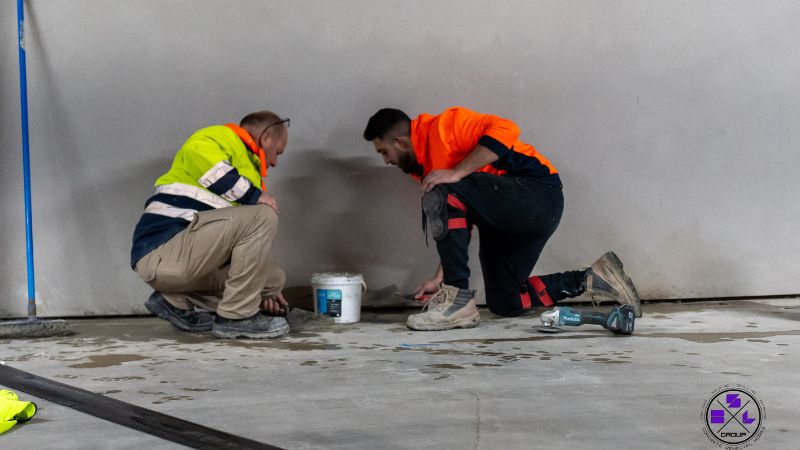
It is common to have cracks creeping across the driveway, patio, or garage floor. Cracked concrete is one of the most common headaches for Australian homeowners – and honestly, it is not surprising given what our climate puts the concrete through. The good news? Most concrete cracks are fixable without tearing everything up and starting again.
In this blog post, we guide you through everything you need to know about concrete crack repair in Australia. We’ll delve into what causes cracks, what they cost to fix in Australia in 2026, and how to arrive at the best approach for specific types of concrete cracks.
What Is Concrete Crack Repair and Why Does It Matter in Australia?
Simply put, concrete crack repair is about finding the crack, working out what caused it, and fixing it properly so it doesn’t come back. It could be as straightforward as sealing a hairline crack in your front path, or as complex as injecting epoxy into a structural fissure in a commercial slab.
Here’s the thing – cracks don’t fix themselves. A small concrete crack today can turn into a bigger problem by next season. Once water gets in, it starts doing damage from the inside. In summer, that moisture heats up and expands. In winter, it contracts. Back and forth, over and over, until what was once a minor crack becomes a serious headache.
So whether you’re a homeowner looking after your property or a facilities manager responsible for a whole site, staying on top of concrete crack repair isn’t just about keeping things looking neat. It’s also about safety, longevity, and avoiding a much bigger bill down the track.
What Causes Concrete Cracks in Australia?
Australia is genuinely tough on concrete. Here’s what’s usually behind the concrete damage in Australia.
Reactive clay soils: A big chunk of Australia – including most of Victoria – sits on clay-heavy ground that swells when it gets wet and shrinks when it dries out. As the soil shifts, the concrete slab on top has no choice but to flex. Eventually, it can crack.
Shrinkage while curing: Fresh concrete loses moisture as it sets. In hot or breezy Aussie conditions, that process can happen too fast – and the slab ends up with surface cracks before it has even had a chance to fully harden.
Overloading: Your driveway might look tough, but if it wasn’t designed for heavy vehicles or machinery, the weight can cause concrete cracking over time. It is more common than you would think.
Poor installation: This one stings a bit – but the truth is, a lot of cracking comes down to shortcuts taken during the original pour. Not enough reinforcement, wrong water ratios, missing control joints, or a dodgy subbase can all come back to bite you years later.
Tree roots: Australia’s native trees are brilliant – but their roots can be relentless. As they spread beneath slabs, they tend to push upward and can lift or crack even a well-laid concrete surface.
How Australia’s Weather Makes Things Worse
Australia is a fertile market for concrete crack repair, as the country’s unpredictable weather makes its houses and offices vulnerable to concrete cracks.
Our climate really is concrete’s worst nightmare. Between the scorching summers, UV exposure, unpredictable rainfall, and long dry spells, concrete across Australia takes a beating that most other countries simply don’t give. Thus, concrete crack repair in Australia is a market with lots of potential.
On a hot summer’s day in Australia, the surface of exposed concrete can hit temperatures above 60°C. It expands. Come nightfall, it cools and contracts. This cycle – day after day, season after season – slowly stresses the material until something gives way.
Heavy rain brings its own set of problems. When water pools around or beneath a slab, it can wash away the supporting material underneath. Once those voids form, the concrete slab has no solid base and starts cracking under its own weight.
Here in Victoria, where BSL Group is based, we deal with dry, hot summers followed by cool, wet winters. That seasonal swing is particularly hard on reactive soils – which means concrete crack repair in Australia’s southeast is a year-round reality, not just an occasional fix.
Concrete Crack Repair Costs in Australia (in 2026)
The cost of concrete crack repair depends on the size and depth of the crack, where the crack is, how accessible it is, and what method needs to be employed to fix it with a durable effect. Here is a brief assessment of concrete crack repair costs in Australia.
Minor hairline cracks: Usually, they cost between $150–$400 per crack to repair in Australia. They mostly involve surface-level repairs using sealants or epoxy injection, and they are usually done and dusted in a few hours.
Moderate structural cracks: The repair of such cracks in Australia typically ranges from $400 to $1,100 per crack. Such cracks are primarily associated with extensive damage that requires the use of epoxy injection, crack stitching, or patching using specialised mortars.
Major repair work over a large area: The cost of such repairs typically ranges from $2,000 to $10,000+. Such repairs are associated with extensive cracking, slab failure, or extensive spalling that requires patching, grinding, and finishing over a large area.
The longer you ignore a concrete crack, the more expensive it is likely to get to repair. A crack that costs $250 to sort out today could easily cost $2,500 or more if you give it a year to worsen. If you are unsure whether your concrete crack is cosmetic or something more serious, get a professional to take a look. It’s a quick call that could save you a lot.
Hairline Cracks vs Structural Cracks: Know the Difference
Not every concrete crack is cause for alarm – but some definitely are. Here is how to tell them apart.
Hairline concrete cracks are the thin, surface-level cracks you may often see on older driveways and paths. Usually less than 0.2 mm wide, they are typically caused by normal shrinkage or minor temperature movement. They don’t pose a structural risk on their own, but they can let moisture in over time, so it’s still worth sealing them. Think of it as routine maintenance rather than an emergency.
Structural concrete cracks are a different story. These concrete cracks are wide and deep, and in structural concrete, cracks often have one side that sits higher than the other.
Diagonal cracks running from corners, horizontal cracks in retaining walls, or any cracks wider than about 3 mm should be looked at by a professional with due urgency. These cracks tell you something is wrong beneath the surface, and ignoring them can lead to serious safety issues.
Epoxy vs Polyurethane: Which Repair Method Is Right?
When it comes to concrete crack repair, two products come up again and again – epoxy and polyurethane. Both work well, but for different situations.
Epoxy injection is the go-to for structural concrete cracks. Once it sets, it bonds incredibly tightly to the surrounding concrete – in some cases, the repaired area ends up stronger than it was before. It’s ideal for dry cracks in floors, walls, or structural elements where you need the slab to carry a load again. The catch? Epoxy is rigid. If the crack keeps moving – say, because of ongoing soil movement – the repair can eventually give way again.
Polyurethane sealants are more flexible, which makes them great for cracks that are still active or regularly exposed to water. The material expands as it cures, filling the crack thoroughly and creating a watertight seal. It is not structural, but for driveways, garden paths, and wet areas, it’s often the better choice for keeping moisture out.
In practice, many jobs use both: epoxy to restore structural strength and polyurethane to seal and waterproof. A good tradesperson will recommend the right approach based on what they find on-site.
Repair or Replace? How to Make the Right Call
This is probably the question we get asked most often – and the answer isn’t always obvious. That said, repair is the right move in the majority of cases.
Think about repairing when:
- The cracking is isolated to one or two areas, not spread across the whole slab
- The concrete is still sitting level and the base underneath is solid
- There’s no major spalling, delamination, or crumbling
- The damage is mostly cosmetic or is being caught early
Consider replacement when:
- More than a third of the slab has cracked or broken up
- The slab has lifted, dropped, or shifted significantly
- There are large voids underneath, and the base has failed
- The cost of repairs is getting close to the cost of a new pour
A professional inspection will give you a clear picture. And here is something worth knowing – in many cases, a combination of targeted concrete crack repair and floor grinding can bring a tired-looking slab back to life without the cost or disruption of a full replacement.
Talk to BSL Group About Concrete Crack Repair in Australia
BSL Group has been looking after concrete issues across Victoria for more than 30 years. We are based right here in Epping, and we know firsthand the kind of wear and tear local conditions put on concrete surfaces.
Our concrete crack repair services cover everything from detailed project assessments and patching through to floor grinding and finishing.
Got a concrete crack you are not sure about? Give BSL Group a call. We will take a look and tell you straight what needs doing – and what doesn’t.
FAQs
What causes concrete cracks in Australian homes?
Our harsh Aussie conditions are tough on concrete – think scorching summers, reactive clay soils, and thirsty tree roots. Soil movement and poor drainage are big culprits too.
Are hairline cracks in concrete dangerous?
They might look harmless, but hairline concrete cracks can let water in and turn into something much nastier over time. It’s always worth getting them checked out early – a small fix now can beat a big, expensive headache later.
How much does concrete crack repair cost in Australia?
Concrete crack repair costs in Australia vary depending on size, location, and severity of the crack. Minor repairs can start from a few hundred dollars, while structural repairs may cost significantly more.
Can I repair concrete cracks myself?
You can, but DIY fixes often leave bigger underlying problems unresolved. A professional has a better chance of addressing the root cause of the problem than a DIY method does.
What is the best method to repair concrete cracks?
The best way to repair concrete cracks depends on the type or nature of the cracks. In concrete structures, epoxy injection is recommended for repairing structural cracks, while polyurethane foam is recommended for repairing leaking cracks. Routing with sealant is recommended for repairing surface cracks.
How long does a concrete crack repair last?
A professionally completed concrete crack repair can last decades when the underlying cause is also addressed.
Does concrete crack repair prevent further damage?
If concrete crack repairs are executed with professional precision, they can prevent moisture from seeping in, stabilise the area, and stop the crack from widening. Repairing cracks as soon as possible is a cost-effective way to safeguard a property’s structural integrity.
Are concrete crack repairs covered by insurance in Australia?
It depends on your policy and what caused the damage. Storm damage is often covered, but wear and tear usually isn’t. BSL Group can provide thorough repair documentation to help make your claim as smooth as possible.