What is Precast Construction? Benefits, Process & Applications
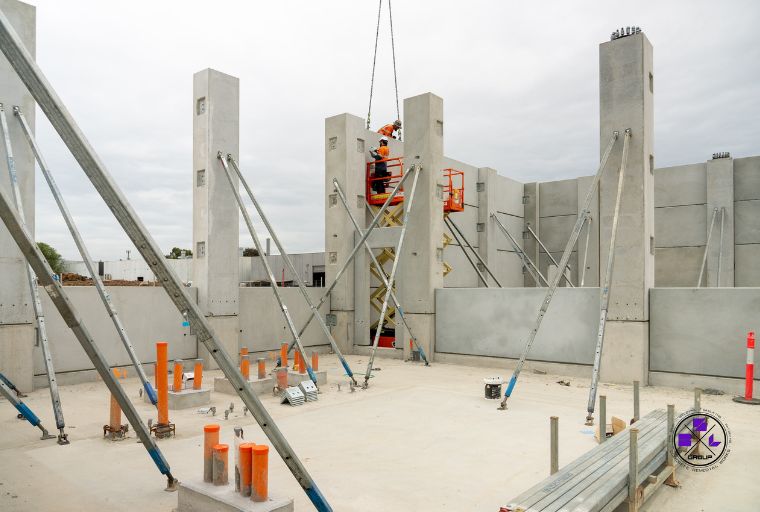
Precast construction is a method in which concrete elements are cast in a reusable mould in a controlled factory setting rather than on-site. We dodge the weather and get a precision finish every time. It’s faster, cleaner, and delivers rock-solid durability for everything from high-rises to modern precast concrete homes.
In the fast-paced world of Aussie construction, everyone’s looking for that “holy grail”: a build that’s high quality, stays on budget, and finishes ahead of schedule. Whether you’re walking through the Melbourne CBD or checking out a new residential development in the suburbs, there’s a good chance precast construction is doing the heavy lifting behind the scenes.
At BSL Group, we live and breathe this stuff. We specialise in the installation, grinding, and management of these systems, so we’ve seen firsthand how they’ve transformed the way we build. But if you’re still wondering what all the fuss is about, let’s break down why this method is a total game-changer for the local industry.
What Exactly Is Precast Construction?
In simple terms, precast construction is a method where concrete elements are cast in a reusable mould, cured in a controlled factory environment, and then hitched onto a truck to be delivered to the site.
Compare this to “cast in place” concrete – where you’re pouring wet mix into timber forms on-site, often fighting the wind and the mud. By moving the process into a factory, precast concrete becomes a precision-engineered product. It’s essentially “Lego for grown-ups,” but on a massive, structural scale.
The Precast Construction Process: Step-by-Step
One of the reasons we love precast concrete is the sheer level of detail that goes into it before a single truck even arrives on-site. Here is how the magic happens:
The Blueprint
Every window, door, and electrical outlet is mapped out in 3D models. Because we aren’t making it on-site, everything has to be spot-on from day one.
Setting the Stage (The Mould)
In the factory, a master mould is prepared. It’s cleaned, oiled, and set to the exact dimensions of the project.
Adding the “Bones”
Steel reinforcement (rebar) is dropped into the concrete to give it its muscle. This is also when we add the lifting anchors – the “hooks” our BSL Group installers use to safely hoist the panels into place later.
The Big Pour
The precast concrete is poured into the mould. Because it’s indoors, the mix is perfect – no rainwater or Aussie heat messing with the chemistry. High-end vibrators help us vibrate the air out so that we get a flat surface.
Professional Curing
Unlike curing at the mercy of the weather, curing at the factory happens at controlled temperatures, which means faster curing times.
Finishes
After hardening, the panels are stripped from their moulds. Remediation and grinding operations may start at this point as well, ensuring that all edges are sharp and all surfaces are primed for installation.
Delivery and Installation
After the precast concrete products have been prepared, they are transported to the site using trucks. This is where the BSL Group crew shines – we guide the crane to drop the panels into place with millimetre precision.
The MVP: Different Types of Precast Products
Precast isn’t just for flat walls. The variety of precast concrete products available today is pretty incredible:
- Wall Panels: These can be structural (holding up the roof) or just decorative cladding.
- Hollow-Core Slabs: These are the gold standard for flooring. They’re light because of the hollow centres but strong enough to span massive distances.
- Stairs: No more dodgy temporary ladders. Precast stairs go in early, giving trades a safe way to move between floors immediately.
- Columns and Beams: The literal skeleton of our big commercial builds.
Benefits of Precast Construction
Traditional pouring on-site will always have its place, but precast construction offers some massive wins:
Weather
We all know Melbourne weather can be a bit of a shocker. A massive rainstorm can ruin a fresh site pour. With precast, the work happens in a factory, so the schedule stays rock-solid regardless of the clouds.
Consistency
When you’re pouring in a factory, you get a “Class A” finish every time. You don’t have to worry about the wind blowing dust into your wet concrete or the sun drying it out too fast.
Less Mess on Site
Traditional sites are crowded with timber, steel, and concrete mixers. Precast keeps the site clean. The panels show up, they go up, and the site stays clear for other trades to do their thing.
Getting the Job Done Faster
In the building game, “time is money” isn’t just a saying – it’s the truth. Precast construction speeds up a project like nothing else.
- Doing Two Things at Once: While the ground crew is still digging the basement, the factory is already pouring the top floor walls.
- Instant Structural Integrity: The second a panel is bolted in, it’s ready. There’s no waiting around for concrete to dry before you can walk on it.
From High-Rises to Precast Concrete Homes
We’re seeing a huge shift in the residential market lately. Precast concrete homes are becoming a massive trend for Aussies who want a house that’s built to last a lifetime.
Why? Because concrete is a thermal powerhouse. It keeps the house cool in a scorching January and holds the heat when July rolls around. Plus, in areas prone to bushfires, building with non-combustible precast concrete provides a level of peace of mind that timber just can’t match.
The Bottom Line: Cost and Quality
Some people look at the upfront cost of precast concrete products and hesitate. But you’ve got to look at the big picture. When you factor in the massive savings on labour, the lack of wasted materials, and the fact that you’ll finish your build weeks (or months) earlier, the ROI is a no-brainer.
At the end of the day, BSL Group is all about quality. We know that a precast project is only as good as the team installing it. It takes a steady hand and a lot of experience to make sure these heavy-duty elements are handled with the care they deserve.
If you’re looking to bring the speed and strength of precast to your next project, give BSL Group a shout. We’ll help you get the job done right – the first time.
FAQs
How does precast construction work?
It’s a smart way to build, where we pour concrete into precision moulds in a factory instead of fighting the mud on-site. Once the pieces have cured in a perfect environment, we truck them to the site and crane them straight into place. It’s basically a high-tech assembly line.
What are the benefits of precast construction?
You get a “Class A” finish every time because the weather can’t mess with the pour. It’s safer, keeps the site way cleaner, and the structural quality is second to none. Plus, it’s brilliant for fire rating and keeping the noise out – perfect for busy Aussie suburbs.
What types of structures use precast concrete?
You’ll see it in everything from Melbourne’s high-rises and shopping centres to bridges and warehouses. It’s also becoming a massive favourite for precast concrete homes, especially for folks wanting a modern, industrial look that’s tough enough to handle anything the Aussie climate throws at it.
Is precast construction cost-effective?
Too right. While the price per panel might look higher on paper, you save a packet on-site. You’ve got fewer trades running around, less scaffolding, and almost zero waste. Because the build wraps up much faster, you’re also saving heaps on interest and site overheads.
How long does precast construction take?
It’s lightning-fast. Since we can manufacture the precast construction elements while the site is still being excavated, you aren’t starting from scratch on day one. Once the footings are in, the actual structure goes up in days rather than months. It’s a massive time-saver.
What are the common applications of precast construction?
We use it for wall panels, hollow-core flooring, stairs, and structural beams. It’s also the go-to for civil stuff like drainage and tunnels. For precast concrete homes, it provides a solid, energy-efficient shell that’s ready for the internal fit-out trades way sooner than a timber frame.
How does precast compare to traditional construction methods?
Traditional builds are often slow and at the mercy of a Melbourne downpour. Precast construction is all about precision and speed. It’s a much more streamlined way to build – everything fits to the millimetre, there’s less rubbish to skip, and the quality is far more consistent.
Is precast construction environmentally friendly?
It’s a win for the planet. Factory production means we can recycle water and concrete, leading to way less waste than a messy site pour. Plus, precast concrete has great thermal mass, keeping your power bills down by naturally regulating the temperature in your home year-round.